Planning ahead is key.
Protecting Your Finances in a Disaster
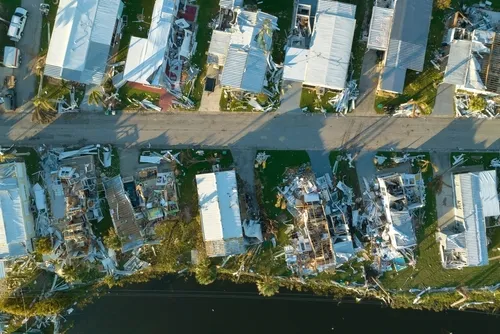
How to Protect Your Finances Before, During, and After a Disaster
Hurricane season officially begins June 1st. While most disaster prep focuses on physical safety — water, food, flashlights — your financial health deserves just as much attention. At Remynt, we work with credit unions every day to help members navigate financial stress. Here's what you need to know to protect your money when a storm — or any disaster — hits.
The Financial Threat No One Talks About
When a hurricane makes landfall, the damage doesn't stop at your roof. Power outages freeze ATMs. Flooded roads cut off bank branches. Insurance claims pile up. And scammers swarm disaster zones looking for vulnerable people. The families who weather financial disasters best are the ones who prepared before the storm — not after.
The FTC put it simply: check over your emergency plan, restock your supply kit, and know how to avoid scams before hurricane season starts [consumer.ftc.gov]. Here's how to do exactly that — with a financial lens.
Before the Storm: Your Pre-Disaster Financial Checklist
🔐 Secure Your Documents
- Store originals of your Social Security card, birth certificate, passport, insurance policies, mortgage/lease, wills, and deeds in a waterproof, fireproof, lockable box.
- Scan everything and upload to secure cloud storage protected by a strong password and multifactor authentication.
- Save digital copies to an encrypted USB drive as a backup.
🏦 Set Up Your Banking for Disruption
- Enroll in online and mobile banking now, before an emergency limits your access.
- Set up direct deposit for paychecks, benefits, or Social Security so money reaches you even if mail is disrupted.
- Enable automatic payments on your mortgage, car loan, insurance, and credit cards — missed payments due to a disaster can still trigger late fees and credit damage.
- Set up account alerts so you're notified of suspicious activity even if you've evacuated.
- Keep cash on hand in small bills — power outages disable card readers and ATMs.
📋 Review Your Insurance (Don't Skip This)
- Confirm that your homeowners or renters policy is current and that you understand exactly what is and isn't covered.
- Standard homeowners insurance does not cover flood damage — check whether you need a separate flood policy through the National Flood Insurance Program (NFIP). The same is true for earthquake insurance; it is generally a separate policy.
- Note your insurer's claims phone number and process in two places.
- Conduct a room-by-room video inventory of your home and possessions, and save it to the cloud — this dramatically speeds up claims.
💰 Build Your Emergency Buffer
- Aim for 3–6 months of living expenses in a dedicated emergency savings account.
- This fund will cover evacuation costs, deductibles, and daily expenses while insurance reimbursement is pending.
📡 Stay Informed
- Sign up for local emergency alerts in your area — text your ZIP code to 888-777 or visit your county's official website.
- Keep a battery-powered radio with spare batteries accessible in case power goes out.
During the Storm: Protect Yourself in Real Time
- Don't make major financial decisions under pressure — scammers count on urgency and fear.
- Know that no legitimate government agency will call demanding money or your Social Security number.
- Keep your financial documents accessible should you need to evacuate quickly: consider uploading or saving your important docs to a cloud-based storage system like Google Drive or Dropbox, or keep a physical box or binder you can easily grab.
- Save every receipt — lodging, meals, gas, supplies purchased during evacuation may be reimbursable under your insurance's "Additional Living Expenses" (ALE) coverage.
After the Storm: Financial Recovery Steps
1. Contact Your Insurance Company First
File your claim as soon as possible — many policies have time limits. Take photos and video of all damage before cleanup, and keep damaged items until a claims adjuster visits.
2. Apply for Disaster Assistance
If you're in a presidentially declared disaster area, apply for FEMA assistance at disasterassistance.gov or call 1-800-621-3362. FEMA can help cover damage not addressed by your insurance.
3. Call Your Creditors — Proactively
Contact your mortgage servicer, auto lender, credit card companies, and student loan servicer before you miss a payment. Most will offer hardship or forbearance programs during disasters. Importantly, confirm in writing that any deferred payments will not be reported as delinquent to the credit bureaus.
4. Suspend Unnecessary Bills
If your home is uninhabitable, notify utility companies and service providers immediately to stop billing for services you're not using — freeing up cash for recovery priorities.
5. Watch for Scams and Fraud
Disaster zones attract opportunists. Be on guard for:
- Contractor fraud: Verify credentials, never pay the full amount upfront in cash, and check reviews
- Fake charities: Donate only to verified organizations
- Phishing: Be suspicious of unsolicited calls, texts, or emails asking for personal or banking information
- Price gouging: Illegal in most states — report it to your state attorney general
6. Monitor Your Credit
Check your credit report for errors, especially if you've entered forbearance agreements — ensure lenders are reporting your account status correctly. You can access free reports at AnnualCreditReport.com.
7. Track Every Expense
Keep a detailed log of all disaster-related spending. These records support insurance claims, potential FEMA reimbursements, and tax deductions.
A Note on Debt During Disaster Recovery
If a disaster has left you behind on bills or struggling with debt, you are not alone — and you have options. At Remynt, we help credit union members find pathways through financial hardship with dignity and flexibility. Before taking on new high-interest debt to cover disaster costs, exhaust your insurance claim, FEMA assistance, and your credit union's hardship programs first. Your credit union is your financial partner — lean on them.