Medical Bills
Health Problems and Medical Bills: Ways to Lower What You Owe
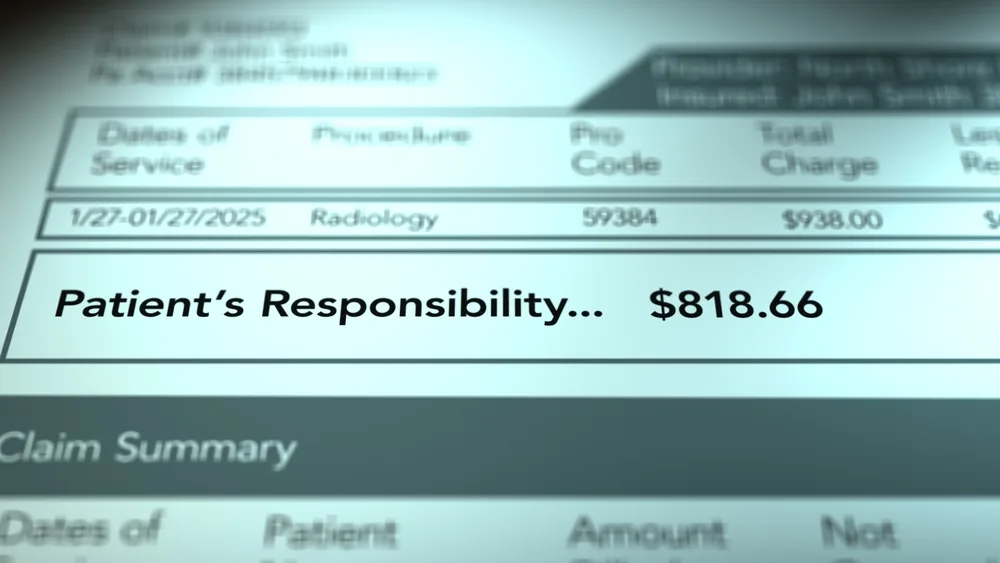
Before you pay anything
- Ask for an itemized bill. A summary bill doesn't show what you were charged for. An itemized bill lists every charge so you can check it.
- Check for errors. Make sure the name is right, and you recognize every charge. Look for double charges or care you didn't get. If you have insurance, compare the bill to your Explanation of Benefits (EOB).
- Call about anything that looks wrong. Write down the date, the person's name, and what they said.
- Ask about financial assistance and self-pay discounts before you agree to pay.
Hospital financial assistance (charity care)
Nonprofit hospitals must have a written financial assistance policy. It explains who qualifies for free or discounted care and how to apply. Hospitals must post it online, give free paper copies, and mention it on billing statements.
- Ask for the application, even if you're not sure you qualify. Ask about it at the billing office or look on the hospital's website.
- You can apply after you get the bill. Under IRS rules, nonprofit hospitals generally must process complete applications submitted within 240 days of the first bill after you leave the hospital.
- While a complete application is being reviewed, the hospital generally must pause serious collection actions, like selling the debt, reporting it to credit bureaus, or suing.
- Apply as early as you can. Keep copies of everything you send.
Negotiate what's left
- Explain what you can afford. Ask what the hospital usually accepts from insurers. Most hospitals will settle for a very small fraction of what you owe if you pay it all at once, as they would rather get something now than wait.
- Ask for a payment plan with no interest or late fees. Get the agreement in writing.
- Be careful with medical credit cards and medical loans. Consumer advocates at U.S. PIRG recommend avoiding them because they're different from a hospital payment plan.
- Surprise bill? The No Surprises Act protects most insured people from certain out-of-network bills, like many emergency room visits. If you're uninsured or paying out of pocket, you can ask for a good faith estimate before care. Questions or complaints: 1-800-985-3059.
Get coverage: Medicaid and the Marketplace
- Medicaid: You can apply any time of year, through HealthCare.gov or your state's Medicaid agency. Apply even if you aren't sure you qualify.
- Marketplace: Open Enrollment for 2027 coverage runs November 1, 2026 to January 15, 2027. Enroll by December 15 for coverage that starts January 1. Outside that window, you need a qualifying life event, like losing job-based coverage.
COBRA basics, and when to drop it
COBRA lets you keep your former employer's health plan for a limited time, but you may pay up to 102% of the plan's full cost.
If COBRA is too expensive, timing matters. Dropping COBRA on purpose, or stopping payments, does not open a special enrollment period. The safest times to switch are during Open Enrollment or when your COBRA coverage ends. Compare costs on HealthCare.gov before you cancel anything.
Save on prescriptions
- Ask your doctor about generics or lower-cost options.
- NeedyMeds lists drug manufacturer patient assistance programs and other savings.
- Manufacturer programs may offer free or reduced-cost medicine to people who qualify. Ask your doctor or pharmacist, or check the drug maker's website.
- Mark Cuban Cost Plus Drugs sells many medications online with a posted price: the drug cost, an operating fee, and shipping.
- GoodRx compares prices at more than 70,000 pharmacies and offers discount codes. Check whether a discount beats your insurance copay.
Low-cost care near you
Community health centers serve everyone, even if they can't pay, and adjust fees based on income and family size. Use HRSA's Find a Health Center tool to locate one.
How medical debt shows up on credit reports
The rules have changed a lot, so here's where things stand:
- Equifax, Experian, and TransUnion don't include paid medical collections on credit reports.
- They don't include unpaid medical collections under $500.
- Unpaid medical debt generally isn't reported until it's at least a year old, which gives you time to work out insurance or a payment plan.
- A federal rule that would have removed most medical debt from credit reports was struck down by a court in 2025, so larger unpaid medical debts can still appear.
- Some states have their own laws on medical debt and credit reports. These laws are being challenged, so check with legal aid for the latest.
If you see medical debt on your report that shouldn't be there, you can dispute it with the credit bureau.
This article is general information, not medical, legal, or tax advice. For help with a specific bill or your coverage options, talk to legal aid or a benefits counselor.
Resources
- Financial assistance policy requirements for nonprofit hospitals (IRS)
- Billing and collections rules for nonprofit hospitals, including the 240-day application period (IRS)
- I received a medical bill I cannot afford to pay (U.S. PIRG Education Fund)
- Your rights against surprise medical bills (CMS)
- Getting Medicaid and CHIP (HealthCare.gov)
- Open Enrollment dates and deadlines (HealthCare.gov)
- Special enrollment periods (HealthCare.gov)
- COBRA continuation coverage (U.S. Department of Labor)
- NeedyMeds
- Mark Cuban Cost Plus Drugs
- GoodRx
- What is a health center? (HRSA)
- Find a Health Center (HRSA)
- How medical debt affects your credit report (Experian)
If you have a Remynt account, you can tell us about a hardship anytime to pause collections for 3 months.