Tax Refund Reset
How to Use Your Tax Refund to Get Out of Debt Faster
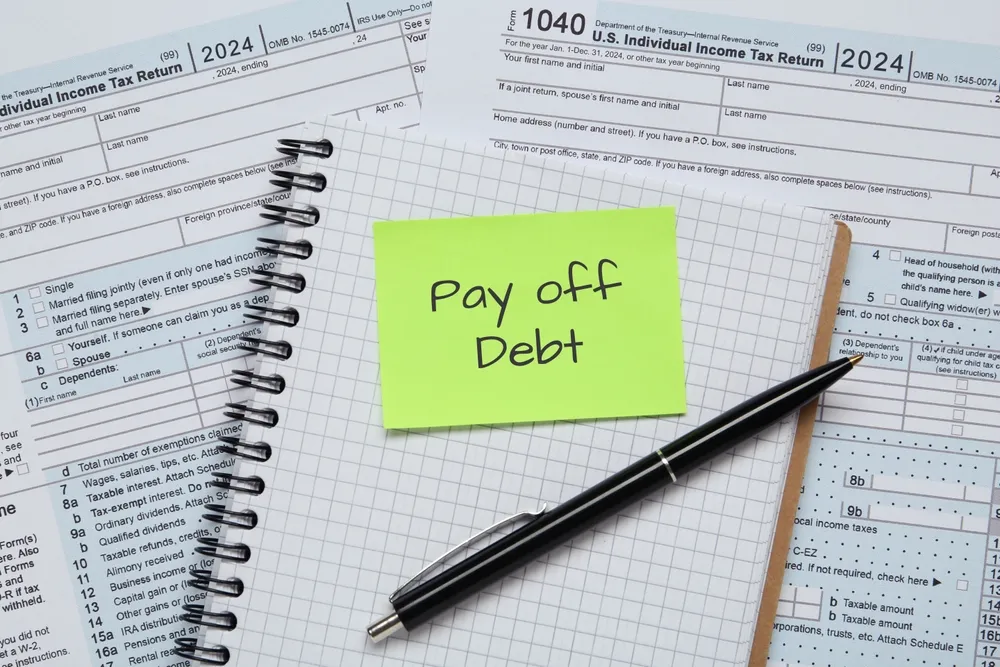
For many people, a tax refund is the largest single chunk of money they’ll see all year. It can be tempting to let it disappear into day‑to‑day spending or one big purchase—but using it intentionally can make a real difference in how quickly you get out of debt and how stressed you feel about money for the rest of the year.
In this guide, we’ll walk through how to:
- Decide where your refund should go
- Prioritize which debts to tackle
- Maximize impact without overextending yourself
You don’t have to make a “perfect” choice to move forward. You just need a clear plan.
Step 1: Know your refund number and your baseline
Before you decide where your refund should go, get clear on two things: exactly how much you’re getting and what your current debt picture looks like.
Confirm your refund amount and timing
- Log in to your IRS account or tax preparation service and confirm the exact refund amount.
- Check where it’s being sent (direct deposit vs. paper check) and note when it should arrive.
- If your refund was reduced to cover certain government debts (like past‑due taxes, child support, or federal student loans), use the notice you received to adjust your plan around the actual amount you’ll receive.
Knowing the precise number makes planning concrete instead of vague.
Map your current debt situation
Create a simple one‑page snapshot of your debts. For each account, list:
- Lender or creditor name
- Balance
- Minimum monthly payment
- Interest rate (APR)
- Whether it’s current, behind, or in collections
You can do this in a notebook, a notes app, or a spreadsheet. Don’t worry about making it pretty—just make it accurate. This list will tell you where your refund can do the most good.
Step 2: Give your refund a job before it arrives
The easiest way for a refund to vanish is to let it hit your account with no plan. Instead, decide on a high‑level allocation in advance.
A simple starting point:
- 60–80% toward debt
- 10–30% toward a small emergency buffer
- The rest for essentials or a modest “treat”
You can adjust the percentages based on your situation, but this structure helps you:
- Reduce balances and future interest
- Build a bit of safety so you’re less likely to fall back into debt
- Avoid feeling deprived, which makes your plan easier to stick to
If you’re already behind on bills or facing shut‑offs, you may decide to use a chunk of your refund first to stabilize (catching up on rent, utilities, or essential car repairs) and then use the remainder for debt.
Step 3: Decide which debt to target first
Once you know how much of your refund will go toward debt, the next question is where to put it. You’ll usually get the most benefit by focusing on one or two debts—not sprinkling tiny amounts across everything.
Here are three common strategies:
1. High‑interest first (debt avalanche)
Best if your goal is to save the most money over time.
- Target the debt with the highest interest rate (often a credit card or a specific personal loan).
- Put as much of your refund as you can toward that balance while keeping other debts at least current.
Pros:
- You pay less interest overall.
- You may see your balances drop faster over time.
Cons:
- If that high‑interest debt has a large balance, it can take a while to feel “done,” which may be less motivating.
2. Smallest balance first (debt snowball)
Best if your goal is motivation and quick wins.
- Use your refund to pay off one or more small balances in full.
- Once those are gone, roll the freed‑up minimum payments into your next debt.
Pros:
- You get faster psychological wins.
- You simplify your finances by reducing the number of accounts.
Cons:
- You might pay a bit more in interest if the smallest debts don’t have the highest rates.
3. Prioritize by risk and stress
Sometimes, the “right” choice isn’t purely math—it’s about reducing risk and anxiety.
You might target:
- Debts close to charge‑off or legal action
- Debts that are hurting you the most emotionally (for example, a family loan)
- Debts tied to essentials (like a car you need for work)
A good rule of thumb: make sure everything is at least current, then decide whether you want to optimize for math (highest interest) or motivation (smallest balance).
Step 4: Make your lump‑sum payment count
How you apply your refund matters almost as much as where you apply it.
Check for fees and terms
Before sending a big payment:
- Confirm that there are no prepayment penalties or special fees for paying extra.
- For loans, check whether extra payments automatically go toward future payments or toward principal.
If possible, choose options that ensure your lump‑sum payment reduces your principal balance, not just prepaid interest or a skipped future payment.
Make the payment clearly and strategically
When you’re ready to pay:
- Use the secure online portal or call the number on your statement.
- If there’s an option to label the payment as an additional principal payment, select it.
- If paying by phone, clearly say that this is an extra payment and you still want to make your regular monthly payment as scheduled.
After the payment posts, save a screenshot or confirmation email and note the new balance.
Keep your monthly payment the same
The big mistake many people make: they lower their monthly payment after making a lump‑sum payment.
If you’re able, keep your monthly payment at least the same as before. That way:
- More of each payment goes to principal instead of interest.
- You shorten your payoff timeline even more.
Think of your refund as accelerating your plan, not replacing your regular effort.
Step 5: Use part of your refund to protect your progress
Using every dollar of your refund on debt may sound responsible, but it can backfire if you don’t have any cushion at all.
When the next emergency hits, you’re forced right back to credit cards, overdrafts, or payday options—undoing a lot of your progress.
That’s why building a small emergency buffer is part of a smart debt‑payoff strategy.
How much should you set aside?
If money is tight, start small:
- Aim for $200–$500 as a starter buffer.
- Keep it in a separate savings account so it’s not mixed in with everyday spending.
This isn’t a full emergency fund—it’s just enough to give you a little breathing room so a single surprise expense doesn’t wreck your plan.
What should this buffer be used for?
Reserve it for:
- Car repairs you truly need
- Medical or prescription costs
- Essential home repairs or necessary travel for work/family
If you do use it, your goal is to rebuild it as you’re able, even slowly. Think of it as part of staying out of new debt, not separate from your debt plan.
Step 6: Adjust your budget so your refund “wins” last
Your refund is a one‑time boost, but you can use it to create change that continues after the money is gone.
Here are a few ways to do that:
Reduce your monthly obligations
After paying down or paying off a debt:
- Note how much you no longer have to pay each month.
- Decide in advance where that “freed‑up” money will go—another debt, savings, or both.
If you don’t give those dollars a job, they’ll quietly disappear into regular spending.
Set up automatic payments
Consider using your refund to:
- Bring one or more accounts current
- Then put those accounts on auto‑pay for at least the minimum amount
Automation reduces the risk of late payments, fees, and credit damage. If the idea makes you nervous, start with just one account as a test.
Revisit your spending plan
Use this moment to:
- Look at your recent spending and see where you can realistically trim (subscriptions, takeout, impulse buys).
- Decide on one or two categories where you’ll cut back and redirect that money toward debt or savings.
You don’t need a perfect budget—just a simple, honest one you’re able to stick with most of the time.
Step 7: Be intentional, not perfect
You might feel pressure to find the “perfect” use of your refund, especially if you’ve been stressed about money for a long time. But you don’t need a flawless strategy to make a real difference.
If you:
- Put most of your refund toward high‑impact debt,
- Create at least a small emergency buffer, and
- Avoid slipping into new high‑interest debt right after,
you’ve used your refund well.
It’s okay to leave a little room for joy or breathing space. What matters is that your choices move you closer to stability, not farther away.