Financial Management
Considering Working for Yourself: Here’s What to Know
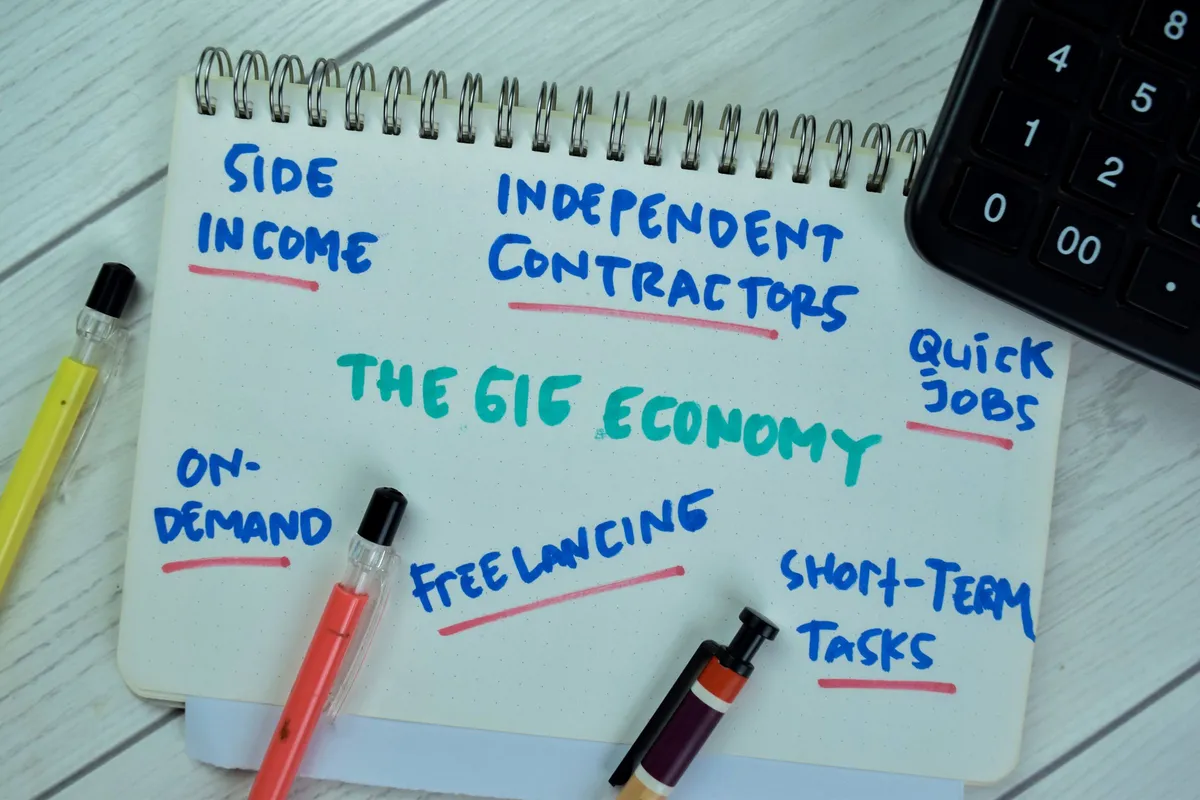
With the proliferation of gig work platforms, it’s never been easier to find freelance work. With the cost of living increasing, many people are working for themselves as their main or part-time work to make ends meet. Here are some helpful tips for deciding your best path.
1️⃣ Figure Out Your Vibe (Goals & Skills)
- Short-term hustle or long-term empire? Are you just looking to stack some quick cash, or do you want to build a whole career/future business? Your answer changes everything—how much you invest, what you learn, and how much time you spend on it.
- What’s your secret sauce? What knowledge, skill, or passion do you have that can actually solve a problem for someone else? Seriously, technology makes it SO easy to level up any baseline skill. Want to get better? Hit up free courses on Khan Academy or check out Coursera or Harvard's free online classes. Certifications are easier than ever to get; you just need to put in the time.
- Need cash ASAP? Look at gig work like Instacart, DoorDash, Uber, or Lyft. If you have a specific skill, hit up Upwork or Fiverr. Pro tip: Check those sites to see what people are charging—and use AI to help you figure out your own pricing!
2️⃣ Make a Simple Plan (Business & Money)
- The Business Plan Cheat Code: You don't need a massive, boring document. Use AI! ChatGPT is awesome for drafting a quick plan, and Perplexity is great for deep-dive research on market data and competitor pricing. Let AI do the heavy lifting for your pricing model based on what the market is doing. When using AI, be sure to ask specific questions based on what type of work you plan to do, your skills, and goals - any parameters that might be specific to your circumstance. Using the right prompt is key.
- The Money Talk: You need a budget. How much money do you actually need to bring in each month? Do you have startup costs (like a laptop, software, or classes)? Figure out your bare-bones, mid-level, and "if I'm killing it" revenue/cost scenarios so you can adjust as you go.
- The Tax Reality Check: As a freelancer, you are responsible for paying your own self-employment taxes. This includes Social Security and Medicare taxes, which an employer usually splits with you. The self-employment tax rate is generally around 15.3%.
➡️Quarterly Estimated Taxes: Because no employer is withholding taxes for you, you need to pay estimated taxes quarterly to the IRS (and possibly your state). If you expect to owe more than $1,000 in taxes for the year, you should be paying estimated taxes on April 15, June 15, September 15, and January 15. Failing to do this can result in penalties.
➡️Save for Taxes: A great rule of thumb is to automatically set aside 25-30% of every payment you receive into a separate savings account reserved only for taxes. This ensures you aren't scrambling when quarterly payments are due.
3️⃣ Get the Word Out (Marketing)
- Go-to-Market Strategy: Use AI for this, too! Tell it about your network and your business, and ask it which channels are best for you to get visible. Is your audience on TikTok, Instagram, or LinkedIn?
- Start with your squad: Your family and friends are your first—and usually best—source of leads. Don't be shy about socializing your new business with your network.
4️⃣ Get Legal (Business Structure)
This sounds scary, but it's important for taxes and protection.
- The Basics: As a freelancer, clients will send you a W-9, and you'll get a 1099 tax form at the end of the year. Many people start as a Sole Proprietor (basically, you're self-employed). This is fine if you're just looking for a full-time job eventually.
- Pro Level: The LLC: If you’re serious about building a business, an LLC (Limited Liability Company) is your best friend. It’s cheap, simple to set up, you still use the standard 1040 tax form, and the biggest benefit is personal liability protection. This means if the business gets sued or goes into debt, your personal assets (your savings, your car, etc.) are usually safe. As a sole proprietor, you're personally on the hook. There’s an annual fee for the structure, but it’s tax-deductible like any business setup expense.
- The S Corp Upgrade: Only worry about an S Corp if you start earning serious money (like $60,000+ annually). It can save you a bunch on self-employment taxes, but it’s way more admin work. The bottom line? Start with an LLC. You can always upgrade later. Tools like QuickBooks or Gusto make the transition super easy.
If you choose to form an LLC, you'll need to select a business name for your official registration. This registered name doesn't have to be your official brand or operating name unless you register it as such. You have two options for registering: you can file online directly with your state's Secretary of State's office, or you can use a service like ZenBusiness or LegalZoom to handle the setup for you.
🆘It is critical to note that some local jurisdictions require business registration, even for gig workers in delivery, rideshare, and professional services operating within those areas. Always verify your local requirements.
5️⃣Separate Your Cash
- Get Business Accounts: This is a must for tax season. Open a dedicated business checking and savings account and a cash-back business credit card. Check out sites like Motley Fool, Credit Karma, or NerdWallet to find the best options for your needs and credit score. Need to build your credit? My company, Remynt, offers a Credit Builder line for $10 monthly.
- Deduct Everything: Track all your business expenses—software subscriptions, your home office percentage, business travel, professional development, and even parts of your phone bill. These deductions reduce your taxable income, saving you money. This is where accounting software is essential.
Use Accounting Software: If you don't love spreadsheets, get QuickBooks, FreshBooks, or Wave. They make tracking every tax-deductible expense (literally anything related to your business) simple, and they help you send and track invoices (aka how you get paid) easily.